
Few places soak up as much sunshine as Perth over summer, and that abundance is exactly why rooftop solar performs so well here. The irony is that the heat driving great generation is also one of the biggest stresses on a home battery. If you want to understand Perth summer heat battery performance lifespan factors before or after installing solar battery storage, the place to start is what happens inside the battery when the temperature climbs. Heat is the single most important environmental factor WA property owners should plan around.
Prefer to watch or listen?
What Happens Inside a Home Battery When Temperatures Climb
A home solar battery stores and releases energy through chemical reactions. Those reactions are temperature-sensitive by nature. When conditions are moderate, they proceed in a controlled, predictable way. When the surrounding temperature rises sharply, the same reactions speed up.
Faster chemical activity sounds useful, but inside a battery it mostly causes problems. Higher heat accelerates unwanted side reactions that break down the internal materials over time. Think of it like leaving food out in the sun: everything just degrades quicker. The hotter the cells run, the faster their internal components wear.
This is why heat matters more than almost anything else for a stationary home battery. Cold weather can reduce how much energy a battery delivers temporarily, but sustained high heat causes lasting wear that you cannot reverse.
How Perth’s Summer Heat Affects Performance and Lifespan Day to Day
In practice, heat shows up in two ways: how the battery behaves right now, and how long it lasts overall.
On a scorching Perth afternoon, extreme temperatures can reduce the effective capacity your battery makes available. The system may also throttle its charging or discharging to protect itself, so you notice slightly less usable energy than you expect. That part is usually temporary and recovers as conditions cool.
The longer-term effect is more important. Every summer spent running hot chips away at the battery’s health. This is the gap between the rated lifespan on paper and the real-world life you actually get. A battery tested in a laboratory at a comfortable temperature will almost always outlast one that bakes through repeated WA heatwaves. Managing heat is really about closing that gap.
Where and How the Battery Is Installed Matters
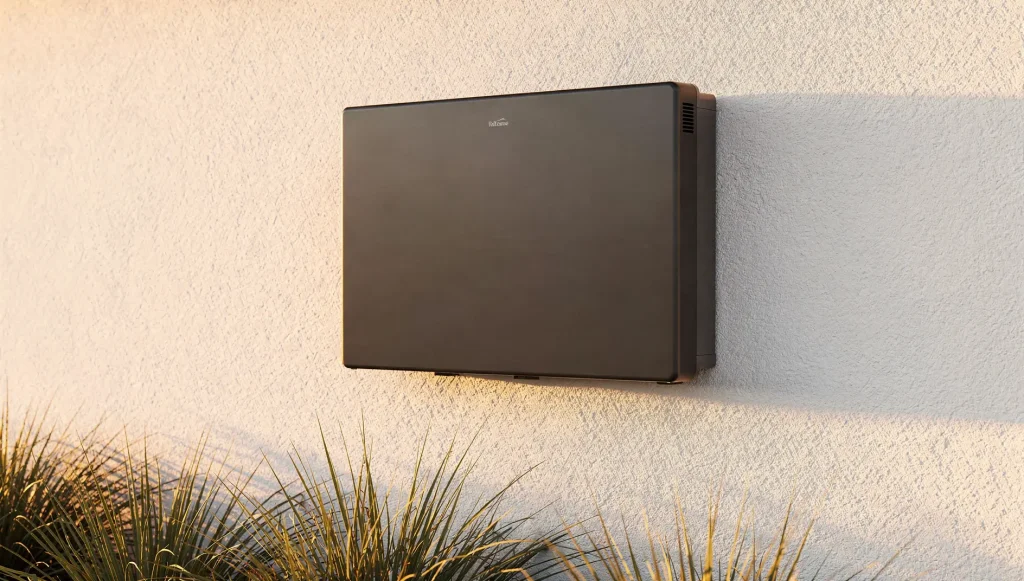
Placement is one of the few things that make a genuine difference to how a battery copes with Perth conditions. The goal is simple: keep the unit out of direct, prolonged heat.
- Avoid west- and north-facing external walls that soak up the harshest afternoon sun.
- Choose a shaded, well-ventilated spot rather than a sealed, airless corner where heat builds up.
- Keep clearance around the unit so warm air can move away from it.
- Steer clear of the hottest parts of a property, such as an uninsulated tin shed or a cramped roof cavity.
A garage or a shaded, ventilated external wall is often a sensible middle ground in Perth, depending on the specific battery and the layout of your home. A qualified installer will weigh ventilation, shade and manufacturer guidance for your particular site.
Thermal Management and Built-In Protections
Modern home batteries are not defenceless against heat. Most include a management system that constantly monitors cell temperature and steps in when conditions become extreme.
Depending on the product, this can involve slowing charge and discharge rates, pausing operation until the battery cools, or actively moving heat away from the cells. These protections are designed precisely for climates like ours, and they are a major reason a well-chosen battery can survive repeated summers.
That said, these systems work best as a backstop, not a substitute for sensible placement. A battery that is already struggling in a hot location forces its protections to work harder and more often, which still takes a toll over the years.
Simple Habits That Protect Battery Health Through Heatwaves
You do not need to be an engineer to look after a home battery. A few basic habits help it ride out a Perth summer in better condition.
- Keep the area around the unit clear so ventilation is never blocked by stored items or overgrown plants.
- Check that any shade you relied on at installation is still doing its job.
- Keep an eye on the system’s app or monitor during heatwaves so you notice unusual behaviour early.
- Book periodic professional checks rather than waiting for a fault to appear.
None of these are dramatic, but together they reduce how much heat stress the battery endures over its working life.
Signs Your Battery May Be Heat-Stressed
It helps to know what trouble looks like. Watch for a battery that no longer holds as much charge as it used to, that seems to deliver less energy than expected even on mild days, or that frequently pauses or limits itself during warm weather.
Other warning signs include unusual warmth, odd noises, error messages, or any swelling or visible change to the unit. If you notice these, stop relying on the battery and have the system inspected by a qualified professional rather than attempting any work yourself.
Why Managing Heat Comes Down to Reliability
Everything about controlling heat points to one outcome: protecting the long-term reliability of your battery. Reliability rarely matters on an ordinary day. It matters most at the exact moment you reach for stored energy and expect it to be there.
Perth summers do not only bring heat. They also bring sudden storms and grid interruptions, which raises a practical question about what a well-maintained battery can genuinely deliver when the power goes out. A battery that has been kept cool and healthy is far better placed to answer it.