
How the Sigen EV chargers work
The Sigen EV AC charger is a wall-mounted unit that connects to your switchboard and plugs into the car with a Type 2 connector or socket. The 7 kW model suits single-phase homes; the 11 and 22 kW models need three-phase supply. All three support solar-surplus charging, dynamic load management, scheduled charging and remote control through the app, and communicate over Wi-Fi, 4G or Ethernet with OCPP 1.6J for third-party platforms.
The SigenStor EVDC is a DC charging module that integrates with a Sigen Energy Controller and the SigenStor battery system. It runs at 12.5 kW and can be upgraded to 25 kW with a licence. Because it is DC, it can also run in reverse (V2X), discharging up to 25 kW from a compatible EV back to the home. The connector is CCS2 with an integrated 7.5 or 10 m cable.
Which Sigenergy charger suits your home
Start with your electrical supply. A single-phase home is limited to the Sigen EVAC 7 (7 kW). A three-phase home can take the EVAC 11 or EVAC 22; if you want the fastest home AC charging, the 22 kW unit adds about 130 km of range per hour. If you mostly want to soak up solar during the day and top up overnight, the 11 kW is usually plenty.
Then think about how you actually charge. If the car is home most of the day and you have a decent solar system, solar-surplus mode uses PV first and tops up only when there’s spare generation. For example, a 10 kW array on a sunny day will often push 3-6 kW of surplus into the car on top of normal house loads, which a 7 kW single-phase charger handles comfortably. If the car arrives home empty most evenings and needs a fast refill, size up to 11 or 22 kW where possible.
Choose the Sigen EV DC module if you are already installing or own a SigenStor system and you want either the fastest charge available in the home or bi-directional V2X so the car can back the house up. Without a SigenStor, the AC unit is the one to look at, since the DC module needs the Sigen Energy Controller to work.
Sigenergy EV charger models
Sigen EVAC 7
Sigen EVAC 11
Sigen EVAC 22
SigenStor EVDC 12
SigenStor EVDC 25
Sigenergy EV chargers at a glance
Works with
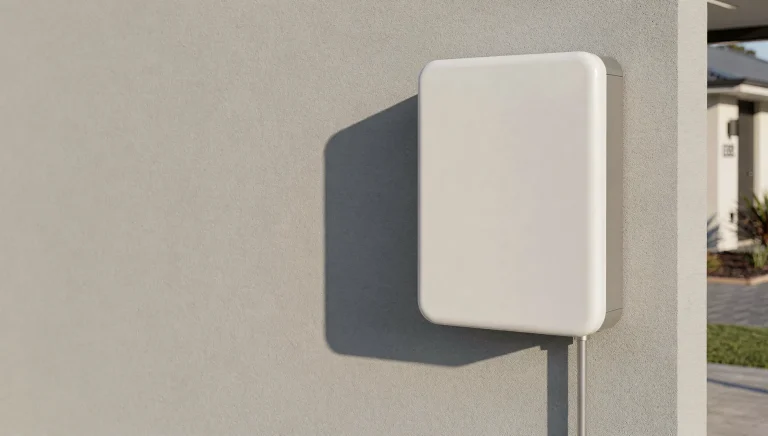
SigenStor
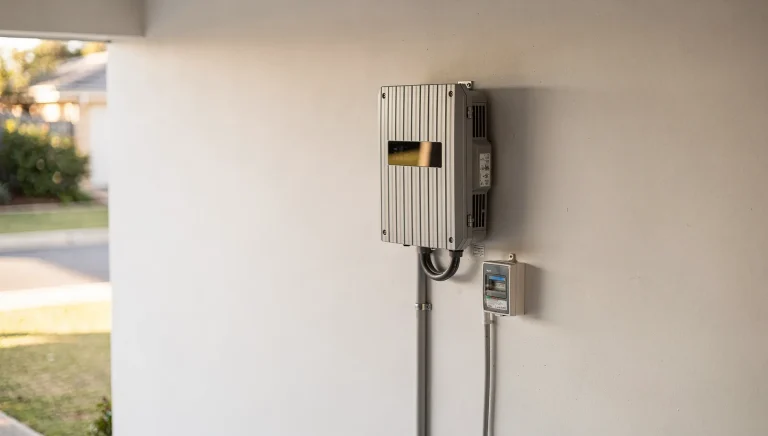
Sigen Hybrid Inverter
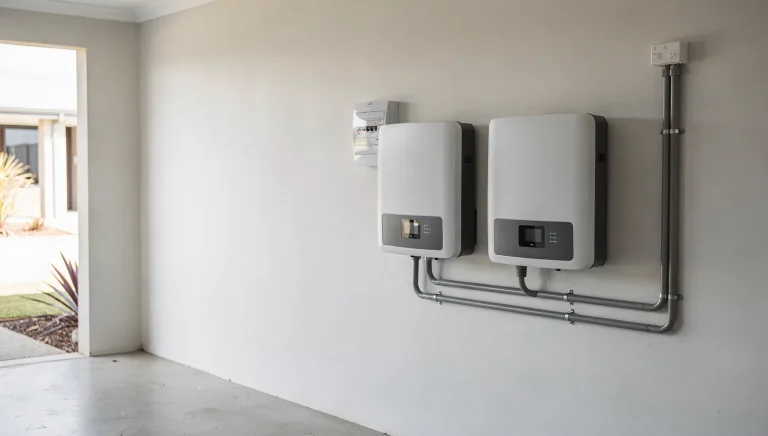
Home Energy Gateway
What installation involves
Site assessment
We visit the property and inspect the existing solar system, the switchboard and the space for the charger. We talk through how the household uses power and recommend a location that keeps the unit accessible.
Switchboard check
We check the switchboard’s condition, its available space and how far it sits from the proposed location. Any upgrade or change needed is raised at the assessment, so it is not a surprise on installation day.
Installation day
The technicians mount the unit, install isolators and route the cabling between the solar system, the charger and the switchboard. Every connection is tested before commissioning begins.
Network approval
The installation is documented and connected to meet Australian standards and the requirements of the local network operator, Western Power in the Perth metropolitan area, with Synergy as the energy retailer. Isolators, testing and documentation are provided for meter approval.
Commissioning and settings
Commissioning is done to the relevant Australian standards. We configure the settings, connect the monitoring and confirm the system is working correctly.
App walkthrough
Before leaving, we show you how to read the monitoring app, explain the display and the aftercare tips, and answer questions, so you understand how the system operates day to day.
Things to know before you buy
Pros
Charges from your solar surplus. The car can run on PV first, so you use more of your own generation.
Shares power between house and car. Dynamic load management splits available current between the house and the car, so you don’t trip the main.
The 25 kW DC module supports bi-directional V2X, so a compatible EV can discharge back to the home.
Made for outdoor mounting. It is rated IP65 and IK10 for outdoor wall mounting.
Things to consider
The DC module isn’t a standalone charger. The SigenStor EVDC must be used with a Sigen Energy Controller, so it only makes sense alongside a SigenStor system.
V2X depends on your car, not just the charger. Even with the 25 kW DC module, discharging back to the home is limited by what the EV supports. Check your vehicle’s V2H or V2G capability before you commit.
Warranty is 3 years. Both the AC unit and the DC module carry a 3-year warranty for systems installed on or after 1 November 2023, and claims should be lodged promptly. We handle warranty claims with you.
Sigenergy EV charger questions Perth homeowners ask
Does Sigenergy have an EV charger?
Yes. There is the Sigen EV AC charger, wall-mounted in 7, 11 and 22 kW, and a DC module that pairs with a Sigen Energy Controller, running at 12.5 kW and upgradeable to 25 kW.
Which EV chargers are OCPP compatible?
The Sigen EV AC charger supports OCPP 1.6J ED 2, so it can be managed by third-party charging platforms. It communicates over Wi-Fi, 4G or Ethernet.
Do I need a special charger for an electric car?
You can plug an EV into a standard power point, but it is slow. A dedicated charger adds speed, scheduling and solar-surplus charging.
Can a normal electrician install an EV charger?
This work must be done by a licensed electrician, and in WA the work also has to be approved by the local network operator. We handle the switchboard check, the network application and the install as one job.
What is the lifespan of a home EV charger?
Sigenergy publishes a 3-year warranty on both the AC unit and the DC module for systems installed on or after 1 November 2023. A well-installed, weather-protected unit typically lasts well beyond that.
Get a quote for a Sigen EV charger
Sources
Last updated October 2026.