
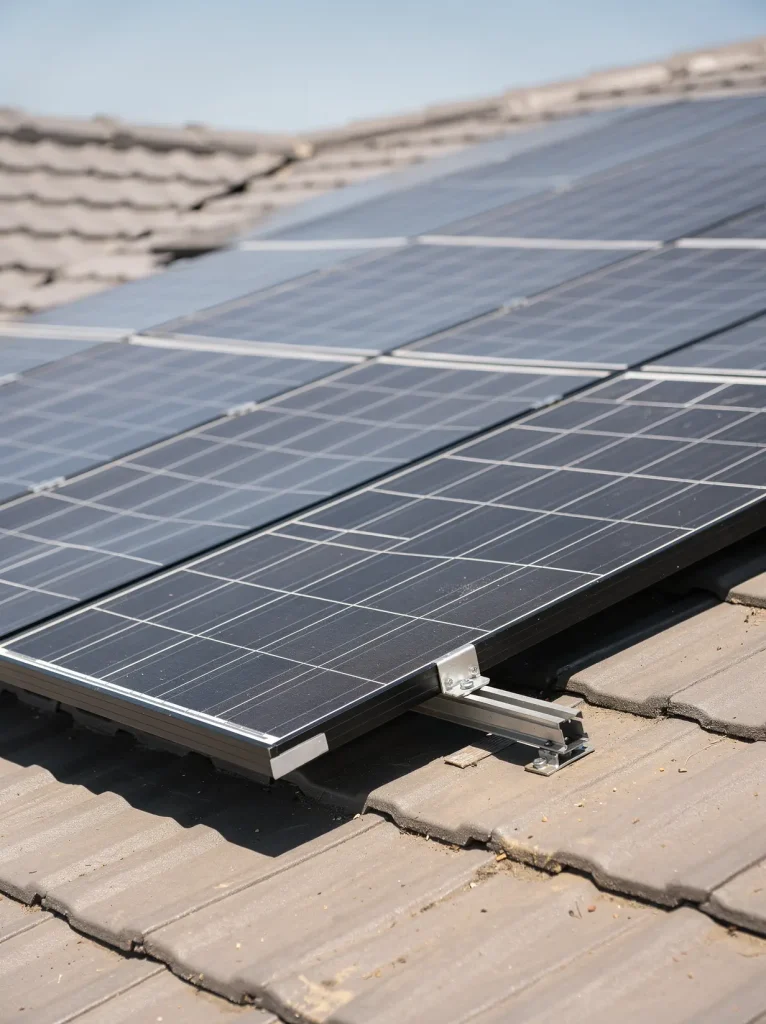
You have probably heard there is money on the table to help with a home battery, but the moment you ask “do I actually qualify?” the answers get vague fast. Many Perth homeowners stall at the eligibility and paperwork stage rather than the decision itself. The WA Residential Battery Scheme is a state-level pathway with defined rules, and claiming it correctly depends on home battery storage in Perth being installed to accredited standards by qualified installers. Get those conditions wrong and even an eligible household can have a claim knocked back.
What the WA Residential Battery Scheme Actually Is
The scheme is a state-based support program designed to make home batteries more accessible for WA households. It sits as a WA-specific layer on top of broader federal battery support, so the two are separate mechanisms with their own rules.
Because it is a state program, its eligibility criteria, approved equipment lists and installer conditions are set locally. That matters for Perth homeowners, because meeting the federal side of things does not automatically mean you have met the WA requirements. Both need to line up for a full claim.
If you want the detail on how the federal side pays out, that is covered in our companion piece on what Perth homeowners get from the Cheaper Home Batteries Program in 2026. This article stays focused on the WA scheme’s eligibility and application mechanics.
Who Is Eligible
Eligibility generally comes down to a mix of property, ownership and system factors. While the finer points can be updated by the administering body, the core checks tend to include the following:
- Property type: the scheme is aimed at residential premises rather than commercial sites.
- Ownership and occupancy: owner-occupiers are the primary audience, and rental or investment arrangements can carry extra conditions or restrictions.
- Existing or new solar: a battery needs solar to charge from, so an eligible rooftop solar system is usually part of the picture, whether already installed or added at the same time.
- Household circumstances: some support tiers consider factors such as concession status, which can affect the level of assistance available.
- Network area: your electricity network matters. Perth and the South West Interconnected System are served by Synergy, while regional customers fall under Horizon Power, and eligibility conditions can differ between these areas.
Before committing to anything, confirm your own situation against the current published criteria, because these details are the ones most likely to change.
System and Installer Requirements
The scheme does not just care that you install a battery. It cares how it is installed and by whom. To keep a claim valid, expect requirements around:
- Accredited installation: the work must be carried out by suitably qualified and accredited installers, not a general handyperson.
- Approved equipment: the battery and related equipment usually need to meet defined safety and product standards, and sit on an approved list.
- Grid connection conditions: connecting a battery to the network involves approval from your electricity network operator, and the system must comply with their technical rules.
These conditions protect you as much as they protect the scheme. A compliant install is safer, better documented and far less likely to cause problems when you lodge the claim.
The Step-by-Step Claim Process
The path from interest to approved claim tends to follow a clear sequence. Doing the steps in order is what keeps things clean.
- Check eligibility first: confirm your property, ownership and solar situation before you spend money.
- Get a compliant quote: obtain a quote from an accredited installer using approved equipment, so the proposed system already meets scheme requirements.
- Secure any pre-approval: where the scheme or your network requires approval before installation, get it in writing rather than assuming.
- Arrange grid connection approval: your installer typically coordinates the network’s requirements for connecting the battery.
- Complete the installation: the accredited installer commissions the system to standard.
- Gather your documentation: collect proof of installation, equipment details, compliance certificates and identity or ownership evidence.
- Submit the claim: lodge the application with the required documents within any stated timeframe.
Common Mistakes That Get Claims Rejected
Most rejected applications trace back to a handful of avoidable errors. Watch for these:
- Installing before confirming eligibility or obtaining any required pre-approval.
- Using equipment that is not on the approved list.
- Engaging an installer without the required accreditation.
- Skipping the network connection approval step.
- Submitting incomplete paperwork, or missing the documentation deadline.
- Assuming rental or investment properties are treated the same as owner-occupied homes.
A short checklist before you start saves a lot of frustration later.
Stacking the State Scheme With Other Support
The WA scheme is designed to work alongside broader federal battery support rather than replace it. In practice, that means an eligible household may be able to access more than one form of assistance for the same system, provided each program’s separate conditions are met.
Because each layer has its own rules, coordination matters. A good installer will help make sure the equipment, accreditation and documentation satisfy every program you intend to claim from, so nothing quietly disqualifies you on a technicality.
Knowing you qualify and how to claim is genuinely half the battle. The other half is deciding whether the numbers stack up for your household once these rebates are counted. That leads straight into the real question of whether a battery pays for itself in Perth conditions with current rebates factored in, which is where the financial return deserves a proper look.